Shopping for essentials in Oslo
Where to buy groceries, furniture, and secondhand goods without breaking the bank. This guide covers supermarkets, flea markets, apps, and more.
Grocery shopping in Oslo: supermarkets & tips
When shopping for food and groceries in Oslo, you can choose to shop at larger chains, specialty shops, convenience stores, and/or farmers markets.
There are two main types of grocery store chains in Norway:
- Normal supermarkets where you will find everyday items at low-to-medium prices.
- Higher end grocery stores with a large selection of different brands and specialty foods.
The major chains have similar prices but different product selections. They typically offer their own, low-price generic brands for staple products.
Oslo grocery store opening hours
While most grocery stores are closed on Sundays and public holidays, some kiosks and independent stores are open. A few gas stations with food marts are open 24 hours.
The website Visit Oslo provides an overview of holidays and other dates that affect operating hours.
Farmers markets & international ingredients in Oslo
Farmers' markets are a great way to buy fresh, local produce in Oslo. They’re held on weekends across various neighborhoods and are popular among residents looking for organic and seasonal foods.
- Visit bondensmarked.no to locate farmers' markets near you.
- You can also buy food directly from farms through a concept called REKO ringen, which posts pick-up points through neighborhood-specific Facebook groups.
New to Oslo and looking for flavors from home`? There are specialty stores which import foods and also offer reasonably priced produce and bulk products around the city. The Grønland neighborhood in Oslo has a high concentration of these import specialty shops.
Grocery shopping tips for thrifty shoppers
- Most stores have shelves or a special fridge for products that are close to the expiration date, offered at reduced prices.
- Check the price per kilo (kg) to compare the price of products in varied packaging sizes.
- Too Good To Go is an app where restaurants, cafes, and grocery stores sell surplus food at low prices to reduce waste.
Buying used goods and furniture
Looking to furnish your new home in Oslo without spending too much?
Finn.no is Norway’s largest online marketplace. This website and app is used everything from job searches and finding a room or flat to rent—but it also has a great selection of things and household goods and furniture you may need after moving to Oslo, often very reasonably priced.
In the section "Torget" (marketplace) you can search for "gis bort" (giveaway). That way you'll find items which people give away for free.
- Tise.com is another popular app for buying secondhand clothing, shoes, furniture, etc.
- Marketplace on Facebook is also a good place to start when searching for what you need.
Tip: When buying secondhand online, many items are often available to be picked up in person if they're being sold in Oslo. Remember to practice safety and be responsible when meeting people from the internet.
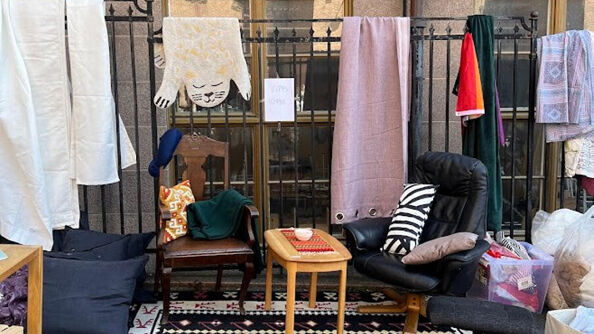
Flea markets (Loppemarkeder)
Flea markets are a very popular way to buy second hand and used things (anything you can think of: books, sports equipment, kitchen utensils, clothes, and more!). Loppemarkeds are organized by schools on school premises. They often take place during spring in March/April and autumn in September/October.
Before Loppemarked schools collect unwanted items from anyone who want to donate. You can find real treasures for a really good price. A little advice when going to loppemarkeds: plan what you need and go there early as the best things go first!
- Check loppemarkeder.com for an overview of flea markets in Oslo.
Fretex
Fretex has many stores in Oslo, and receives new goods every day. These stores cary used items in good condition, often almost like new and for a great price. You can find unique items such as clothes, home accessories, books and many other things as well.
Watch now: Secondhand shopping, renting, & borrowing in Oslo
Oslo is known as one of Europe’s greenest capitals—but what does sustainable living actually look like for newcomers? In this video, Lorelou explores realistic and affordable ways to live more sustainably in Norway’s capital. From second-hand shopping to borrowing outdoor gear through BUA, you’ll discover how Oslo makes it easier to make low-impact choices—without needing to buy everything new.