Voices from Oslo: Dressing your kids all year round
Welcome to Voices from Oslo, where we share insights, stories, and lessons learned from internationals in Oslo who have been in your shoes.
A parent's guide to dressing your children all year round
by Lorelou Desjardins (10 July 2025)
I originally come from Marseille, the warmest city in France, and before moving to Oslo, I’d also lived in Canada and Denmark. So I thought I knew a thing or two about winter...
But my biggest culture shock in Norway wasn’t just the cold, it was how Norwegians love being outdoors, even in the most miserable weather. And the biggest shock of all: even babies are taken outside to enjoy… the cold!
Yes, babies here nap outside, even at minus ten degrees Celsius. The first time I saw dozens of tiny toddlers bundled into snowsuits, sleeping peacefully in prams outside cafés while their parents sat inside sipping coffee, I thought Norwegians had lost their minds.
Back home, if it starts raining, you stay indoors and wait for it to pass. You certainly wouldn’t send your kids out to play in puddles, get dirty, and possibly sick. In Oslo, people are out training for ski marathons during a snowstorm. And Norwegians start learning this skill incredibly young.
Now, fifteen years later, I’m the one leaving my child outside to 'boost his immune system' and help him sleep better. And I’ve discovered that being outdoors is truly one of the best things about living in Oslo, a capital city so close to nature. The key, as every Norwegian will tell you five times a day, is simple: There’s no bad weather, only bad clothing.
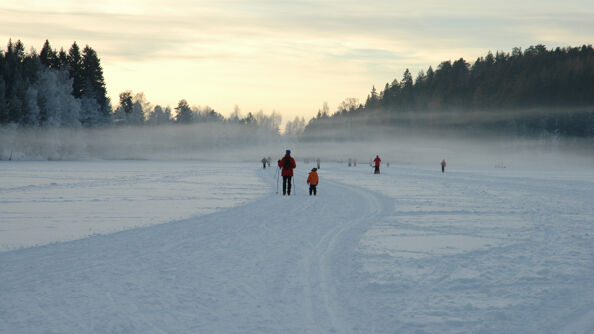
Here’s how I’ve learned to dress my child the Norwegian way:
1. Forget cute, go technical
In France—as I am sure it is in many other countries—kids look like tiny adults in little suits and designer dresses. But in Norway, the focus is on technical gear, not fashion. My family back in France still finds my child’s clothes too messy (and too colorful!).
Take those babies napping in the snow: they’re wrapped in several layers of wool, a full-body suit, and tucked into mini sleeping bags lined with lambswool and down feathers.
Many kindergartens are even fully outdoors (friluftsbarnehage). Kids play, eat, and nap outside from morning to late afternoon, no matter if it’s raining, snowing, or dark. So technical clothing is essential to keep them warm for five to seven hours straight.
I was once called into a meeting at my child’s kindergarten because my child apparently didn’t have the right clothing. I was so proud of myself for what I’d bought, only to learn it wasn’t technical enough for Norwegian winter life!
2. Staying dry is more important than staying warm
Many internationals pile layers on their kids, turning them into little snowmen. But too much heat actually makes you sweat, and wet clothes mean you’ll quickly freeze.
The real secret is to stay dry and regulate body temperature. Kids often won’t tell you if they’re cold, wet, or too warm, so you need to be strategic with layering and fabric choices.
3. Master the art of layering
Here’s the classic "3-layer rule" system for dressing kids in Norway:
- Inner layer: Wool. Always wool. It keeps kids warm even when wet and is odor-repelling, which can be a big bonus.
- Middle layer: Fleece or wool sweater for extra warmth.
- Outer layer: Waterproof, windproof suits or jackets and trousers.
- Accessories: Wool socks, mittens, hats—and don't forget the spares, because something will always get lost!
Children need to move freely in mud and snow without getting soaked. Full-body suits often have elastic straps to keep trousers secured over boots. Many suits also include reflective strips, but kids often need an extra reflective vest for safety in the dark months of winter.
4. Label everything
Seriously, it bears repeating: label EVERYTHING. The cheap option is using a marker on clothing tags. Or you can buy custom stickers with your child’s name and your phone number.
5. Don’t buy your winter gear abroad (yet)
My mother loves buying so-called "Scandinavian clothes" for my child in France... But just because something has a Norwegian pattern doesn’t mean it’s suitable for a real Norwegian winter.
In Norway, gear is designed for local (and often harsh) conditions. Wool layers are pure wool (yup, 100% wool). Full-body suits are waterproof and warm enough for kids to play outside at minus ten degrees for hours. Rain suits (regndress) are made from thick, rubbery materials that let kids sit in puddles without getting wet inside.
I have found that no clothing in other countries offers this level of technical gear for children (except for Canada, maybe? If you know where to shop and what to buy), and often at reasonable prices, especially secondhand. So don’t bother buying winter clothes in your home country before you get here. Wait to see what you need first, then stock up in Norway.
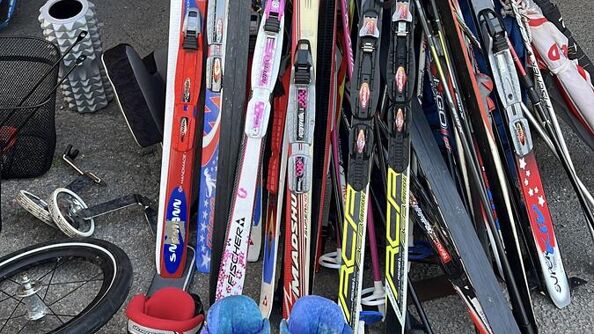
6. Embrace secondhand shopping
Kids grow out of winter gear very fast, and when they don’t outgrow them, they lose them at kindergarten or tear them while climbing trees and falling on ice. My child loves sliding on rocky surfaces, destroying clothes no matter the price.
High-quality gear can cost a fortune, and kindergartens often require several sets. A high-quality full-body suit can cost around 1500 NOK, and you might need two to four per year! Add five wool tops, five wool bottoms, multiple mittens, rain gear, winter rain gear… the list goes on. If you're buying all new, and want the best quality, it's going to break your budget, believe me.
Luckily, Norway is a paradise for secondhand kids’ clothes! It’s widely accepted and eco-friendly. No one cares if the colours don’t match, as long as kids stay dry and warm.
Advantages of buying secondhand:
- Much cheaper, often a third of the price.
- Many clothes are nearly new.
- Bundles save shopping time, e.g. “10 wool items for girl age 2.” And you’ll receive a bag with lots of great woolen stuff at the right size.
- It’s sustainable and eco-friendly.
- Clothes that survive one or two kids are likely to survive yours.
- When you’re done, you can resell or donate them. I actually resell on finn.no clothes I bought on finn.no, if they are in a sellable state of course.
Beware: Cheap websites like Temu have been found to use illegal chemicals and produce low-quality items, which is not worth the risk.
My favourite secondhand options as a parent in Oslo:
Online secondhand shops:
• Finn.no – Norway’s biggest online marketplace, which is used for everything from finding jobs and accommodation to buying secondhand. Search “Foreldre og barn” ('parents and childen') under "Torget" ('marketplace').
• Tise.com – A popular app for secondhand shopping, with people primarily reselling clothes.
Shops in Oslo:
• Green Kids & Moms Secondhand (Løren) – Beautiful secondhand clothes for kids and parents.
• Fretex (several locations) – Salvation Army shops with great budget finds.
• Rufus Barnebutikk (Kolbotn) – Specialises in kids’ secondhand clothes and toys.
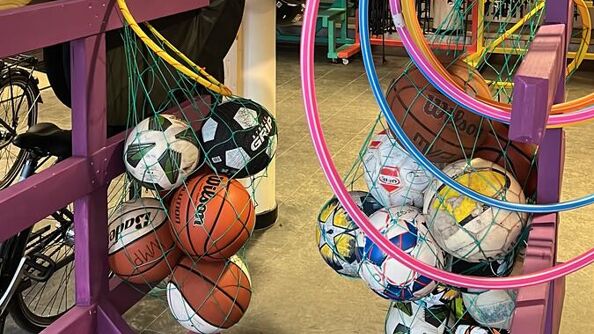
Borrow or rent instead of buying
Another brilliant Norwegian solution: borrowing gear! This is a perfect option if you want to try a new sport, like skiing or iceskating without the big investment first.
- BUA.no – A non-profit where you can borrow outdoor and sports equipment for free. They have plenty of locations around Oslo and around the rest of the country.
For fancy clothes needed for holidays or events like Norway’s National Day:
- Karusell.no – Rent everyday kids’ clothes, including wool layers.
- Liis.com – Rent everything from snowsuits to strollers.
- Stasforbarn.no – Rents baby/toddler clothes (0–2 years).
- Hygglo.no – Platform for renting kids’ fancy outfits for special occasions (plus a bunch of other things, from ladders to electric drills!).
My final words of advice for parents new to Oslo:
- Start collecting winter gear early to avoid last-minute stress. You'll find some great sales after the winter season ends, as well.
- Always check secondhand first, it’s cheaper and a more sustainable option!
- Ask other parents. Norwegians love sharing tips and passing down clothes. Truly, it's a great conversation starter.
- Remember, feeling overwhelmed is normal. Dressing kids here is practically a survival skill, but you’ll get the hang of it.
So whether you’re from Marseille, Mumbai, or Miami, remember: In Norway, there’s no bad weather, only bad clothing. (And yes, your kids will survive napping in the snow.)
