What does a day in kindergarten look like in Oslo?
A typical day in Norwegian kindergarten includes indoor and outdoor play, group activities, meals, and rest time.
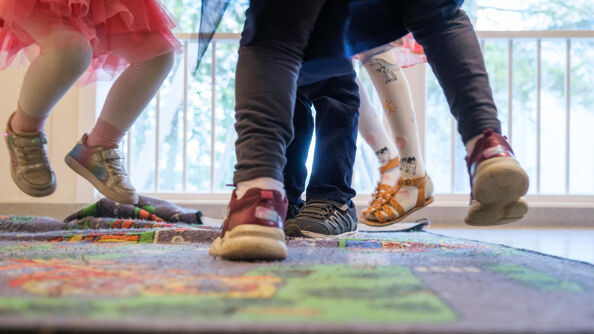
Dans og glede i barnehage. Image: Nikolai Kobets Freund / Oslo kommune
Norwegian kindergartens offer a warm, playful, and structured environment where children learn through exploration and social interaction.
When your child begins kindergarten, they will go through a "tilvenning" (adaptation period). This allows them to gradually adjust to the new environment, routines, and relationships. Staff work closely with families to ensure a smooth transition, offering flexibility and emotional support during the first days or weeks.
Kindergarten staff are trained in early childhood education and speak Norwegian, though many understand English and are experienced in supporting international families.
Opening hours may vary, but most kindergartens are open from 7:30 to 16:30. Most children attends Kindergarten for up to eight hours a day. It is also common to have one day a week set to be excursion day. That can either be a short trip to a neightbouring play ground or a full day trip to a local library etc, the activity will vary from week to week. If your child wears diapers, make sure to bring the preferred type. The staff will change diapers throughout the day to make sure your child is dry and clean.
Morning
Children typically arrive between 7:30 and 8:30 am. Parents drop them off and help settle them in. Most kindergartens offer breakfast, and children can eat together before starting their day.
During this time, children engage in free play or join organized activities such as drawing, building with blocks, or storytelling. This helps them ease into the day at their own pace.
Gathering
At around 9:00 am, children gather in small groups for a morning session. This may include singing songs, listening to stories, or discussing the day's theme. These gatherings help build community and introduce learning topics in a playful way.
Sleeping
Children who nap during the day often sleep outside in their strollers, a common practice in Norway. Staff ensure they are dressed warmly and have blankets. If your child needs to sleep indoors, arrangements can be made based on your preferences.
Lunch
Lunch is often provided by the kindergarten. It may consist of bread rolls with cheese or ham, or occasionally a hot meal based on fish or meat. Some kindergartens ask parents to send a "matpakke" (packed lunch), especially on excursion days.
Indoor and outdoor playtime
After lunch, children participate in planned activities or enjoy free play. These may include:
Learning sessions based on themes like nature, seasons, or science
Excursions to nearby forests, parks, or cultural sites
Creative play with art materials, building toys, or role-play setups
Outdoor play is a daily priority, regardless of weather. Norwegian kindergartens are equipped with safe and stimulating uteområder (outdoor areas), and staff aim to balance structured learning with free exploration.
Play is considered essential for development, and staff use various pedagogical approaches to support learning through play.
End of the day
The children are often playing and having fun, and it is common that they are not ready to go home, even though it has been a long day in Kindergarten. The staff will inform you about the day, and say good bye to the child.
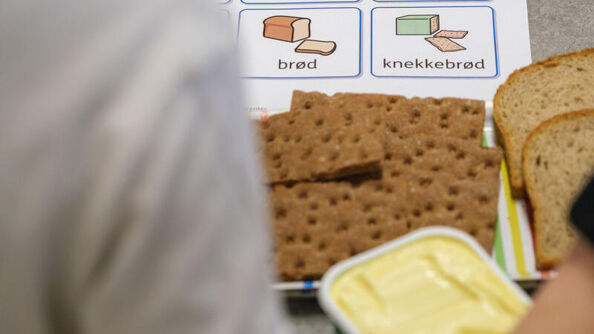
Learning about food in kindergarten. Image: Nikolai Kobets Freund / Oslo kommune
What do your children need to bring to kindergarten?
Clothing for outdoor activities
Children in Norwegian kindergartens spend a lot of time outdoors. The kindergarten staff will be able to tell you what you need for the different seasons.
In addition to lunch, children often receive fruit or bring snacks from home. Some kindergartens have a shared fruit bowl, while others ask parents to pack a small snack. This varies by institution.
Kids usually bring their own packed food and eat it cold. The children should be motivated to eat healthy food as it can contribute to good health. Common things to bring is open faced sandwiches, fruit and vegetables, left over dinner the day before, or wraps.
There are often rules about not bringing any sweets or sugary toppings like jam. Talk to the staff if you have any questions about what to pack. It is common for the kindergartens to offer fruit or vegetables to this meal.